Liquid Waste Emergency Guide | 24/7 After Hours Specialists
Dec 16, 2025
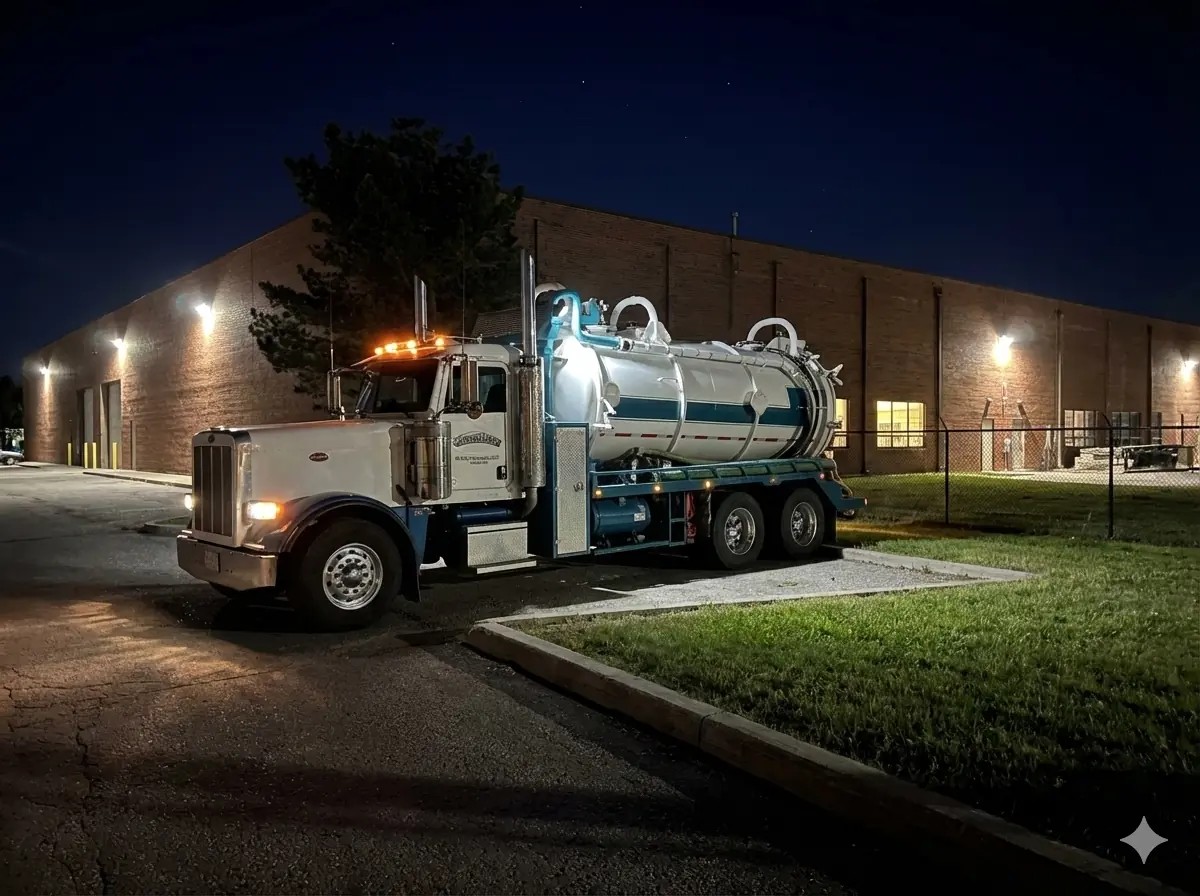
Liquid waste problems rarely arrive politely during business hours. When something goes wrong at 2:00 a.m., the decision you make in the next hour often determines whether you face a manageable cleanup or a full-scale shutdown. Knowing what qualifies as a true Emergency and when to call after-hours specialists with 24/7 services can save thousands of dollars, prevent environmental violations, and protect people on site.
This guide breaks down seven liquid waste situations that should never wait until morning, with real-world context from Edmonton and Northern Alberta. You will learn how to recognize risk early, identify essential equipment, and understand why delaying action is often the most expensive choice.
What Actually Defines a Liquid Waste Emergency?
A liquid waste Emergency is not just about inconvenience or odour. It is defined by risk escalation. If liquid waste can overflow, contaminate soil or water, damage infrastructure, or force a shutdown, it qualifies as an Emergency.
Situations that typically meet this threshold include:
Uncontrolled liquid accumulation
System failures outside containment
Imminent overflow of tanks or pits
Conditions that create health, safety, or regulatory risk
A common myth is that emergencies are only catastrophic failures. In reality, most true emergencies start as small, ignored problems that compound overnight.
Situation 1: Rapidly Rising Holding Tank Levels
A holding tank that is filling faster than expected is one of the most common after hours emergencies in Northern Alberta, especially during winter when inflow and outflow rates change.
If a holding tank reaches capacity, overflow can contaminate surrounding ground and trigger environmental reporting requirements. Alberta Environment and Protected Areas treats uncontrolled releases seriously, even on private property.
This should never wait until morning if:
The tank is above 75 percent capacity and still rising
Inflow cannot be stopped
Weather conditions increase freeze or overflow risk
Calling after hours specialists with 24/7 services allows immediate dispatch of a vac truck to stabilize the situation before it becomes reportable.
Situation 2: Sump Pit or Floor Drain Backups
A failed sump pump out is a silent accelerator of damage. When sump pits back up, liquid waste often spreads under slabs or into wall cavities before anyone notices.
This becomes an Emergency when:
The sump pump has failed and liquid levels are rising
Backup water contains contaminants, oils, or solids
The area includes electrical panels or mechanical rooms
Waiting until morning risks structural damage and mold growth. According to the Insurance Bureau of Canada, water damage is the leading cause of commercial property insurance claims, accounting for over 40 percent of losses annually. That statistic alone should recalibrate how quickly sump issues are treated.
Situation 3: Septic System Failures After Hours
Septic pumping is often perceived as routine maintenance, but a failing septic system can escalate rapidly, especially at rural properties, camps, or work sites north of Edmonton.
This is an Emergency if:
Sewage is surfacing or backing up indoors
Effluent is entering ditches or surface water
The system cannot be isolated overnight
Frozen ground conditions common in Northern Alberta reduce absorption capacity, making after hours intervention even more critical.
Situation 4: Industrial Spills Requiring Immediate Containment
Industrial liquid waste spills are time-sensitive by nature. Oils, wash water, and process fluids can migrate quickly through soil or storm systems.
An Emergency exists when:
Containment has failed or is incomplete
The source cannot be shut down
Regulatory thresholds may be exceeded
In these cases, steam truck services are often paired with vac truck recovery. Steam loosens viscous materials, allowing faster removal and minimizing residual contamination.
The Canadian Centre for Occupational Health and Safety notes that delayed spill response significantly increases environmental remediation costs and liability exposure. Speed matters more than perfection in the first response window.
Situation 5: Blocked or Overloaded Grease Interceptors
Restaurants and food facilities in Edmonton frequently experience grease interceptor emergencies during peak seasons or holiday weekends.
This should never wait until morning if:
Wastewater is backing up into kitchen areas
Grease is entering municipal lines
Health code violations are imminent
A steam truck is often required to break down hardened grease before a vac truck can remove it. Delays often result in forced closures by health inspectors, turning a maintenance issue into a revenue crisis.
Situation 6: Flooded Mechanical Rooms or Utility Vaults
Mechanical rooms house critical systems. When liquid waste enters these spaces, downtime escalates exponentially.
Emergency indicators include:
Standing liquid near boilers, furnaces, or pumps
Risk of electrical contact
Loss of heat or process control
After hours specialists with 24/7 services can isolate, pump, and clean before damage spreads to core systems. This is especially relevant in multi-tenant buildings where one failure affects multiple businesses.
Situation 7: Vac Truck Access Needed Before Site Shutdown
Some emergencies are about access timing rather than severity. Construction sites, remote facilities, or industrial yards may lose access windows overnight.
If liquid waste cannot wait until gates reopen or staff return, it qualifies as an Emergency. Mobilizing a vac truck during after hours may be the only way to prevent delays that cascade into missed inspections or fines.
Myth-Busting Insight: Waiting Rarely Saves Money
A persistent myth is that after hours calls are an unnecessary premium. In practice, emergencies handled overnight almost always cost less than deferred responses.
Industry data from commercial waste contractors consistently shows that:
Early intervention reduces cleanup scope by 30 to 60 percent
Regulatory reporting risk drops dramatically when containment is immediate
Downtime costs often exceed service fees within hours
The math is unforgiving. Delay multiplies cost.
How 24/7 Services Actually Reduce Risk
24/7 services are not about convenience. They are about risk control. Rapid response allows:
Stabilization before overflow
Documentation of proactive mitigation
Proper waste classification and disposal
Reduced environmental and insurance exposure
This is why experienced operators keep after hours specialists on call, especially in Edmonton’s industrial corridors and rural service areas.
Other Resources
Government of Alberta Environment Spill Reporting Guidelines
https://www.alberta.ca/report-an-environmental-spill
Insurance Bureau of Canada Water Damage Statistics
https://www.ibc.ca
Frequently Asked Questions
When should I call after hours specialists instead of waiting?
If liquid waste is actively rising, spreading, or cannot be contained safely overnight, it qualifies as an Emergency and requires immediate action.
Is a sump pump failure always an emergency?
Not always. It becomes an Emergency when liquid levels rise uncontrollably or threaten infrastructure, electrical systems, or contamination.
Do 24/7 services cost significantly more?
After hours rates are higher, but total costs are usually far lower than delayed cleanup, repairs, or downtime.
Conclusion
Liquid waste emergencies are defined by momentum. Once liquid is moving, waiting rarely improves the outcome. Whether it is a holding tank nearing capacity, a failed sump pump out, or an industrial spill, decisive action is the difference between control and chaos.
If you are facing a potential Emergency in Edmonton or Northern Alberta, contact experienced after hours specialists offering 24/7 services immediately. Early response protects your site, your people, and your bottom line.