How Often Should a Holding Tank Be Pumped?
Dec 30, 2025
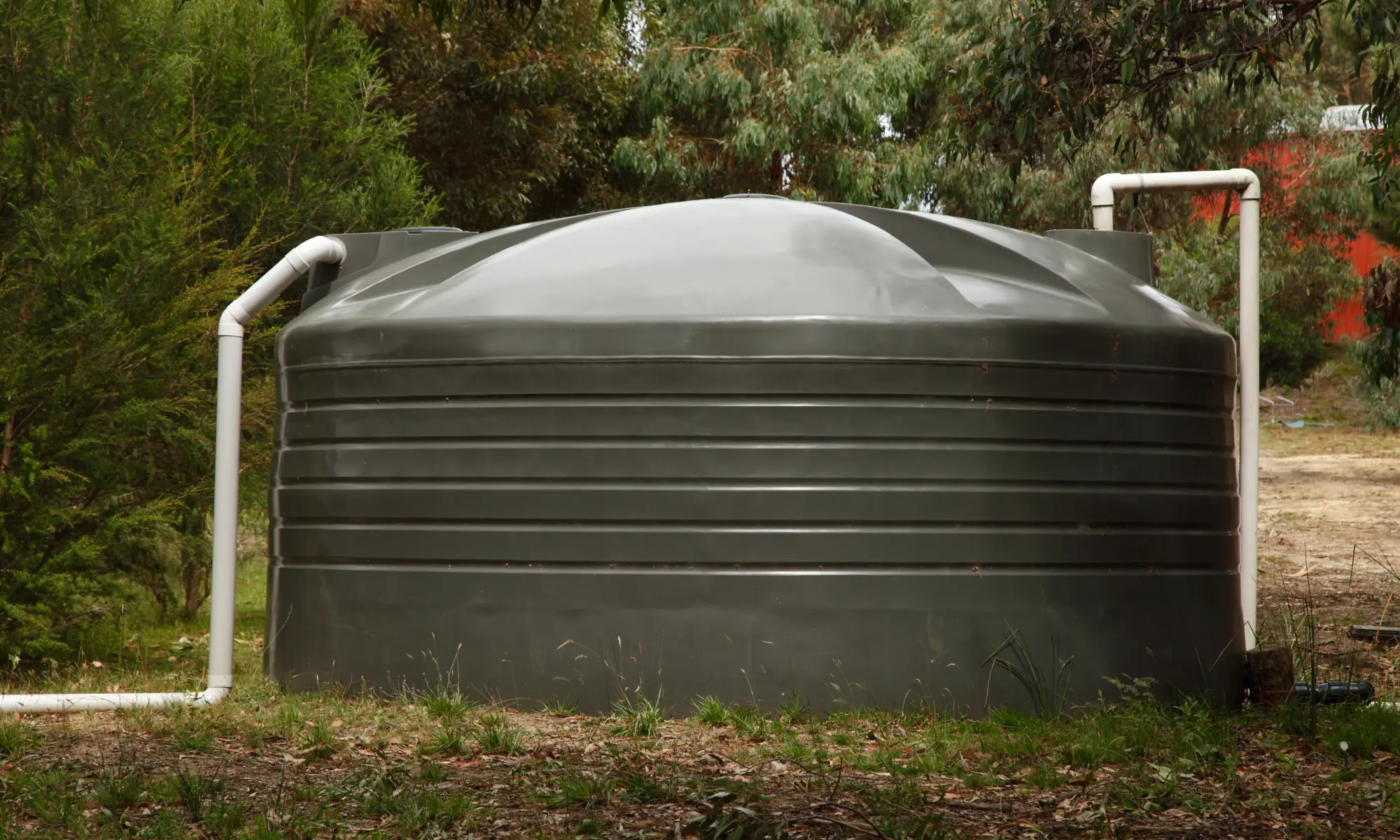
A Holding Tank is simple in concept but unforgiving in practice. Unlike a septic tank, it does not treat waste at all. It only stores liquid waste until it is removed. That means timing matters. Pump too late and you risk backups, environmental fines, or emergency service calls. Pump too often and you waste money. This guide explains how often a Holding Tank should be pumped, what factors actually matter, and how to build a reliable schedule that fits real-world use in Edmonton and Northern Alberta.
What a Holding Tank Actually Does
A Holding Tank is a sealed container designed to collect liquid waste from toilets, sinks, or industrial processes. There is no leaching field, no bacterial breakdown, and no margin for error. Once it is full, flow stops.
Common applications include:
• Rural homes without viable soil conditions
• Construction sites and temporary facilities
• Remote commercial operations
• Seasonal properties
• Industrial or commercial liquid waste capture
This is where many owners make a costly assumption. They treat a Holding Tank like a septic tank. That is incorrect. A septic tank can go years between pumping. A Holding Tank often needs service every few weeks or months.
How Often a Holding Tank Should Be Pumped
There is no universal schedule, but there are clear rules of thumb based on volume and usage.
Typical pumping ranges:
• Low-use residential properties: every 6 to 8 weeks
• Full-time rural homes: every 2 to 4 weeks
• Commercial or industrial use: weekly or biweekly
• Construction or event sites: as needed, often weekly
A Holding Tank should never exceed 75 to 80 percent capacity. Waiting until it is full is not efficient. It is risky.
Factors That Actually Determine Pumping Frequency
Tank size
A 1,500-gallon Holding Tank fills much faster than a 3,000-gallon system under the same usage. Tank size alone can double or halve your pumping frequency.
Number of users
Every flush matters. A family of five generates dramatically more liquid waste than a seasonal cabin used on weekends.
Type of waste
Greywater only systems last longer. Blackwater systems fill quickly. Commercial liquid waste from kitchens, shops, or industrial processes accelerates fill rates even more.
Water usage habits
High-efficiency fixtures reduce pumping frequency. Older toilets and unrestricted water use shorten it.
Monitoring and alarms
Modern tanks with level alarms allow planned service. Tanks without alarms rely on guesswork. Guesswork fails.
Holding Tank vs Septic Tank: A Critical Distinction
This confusion causes most overflows.
A septic tank separates solids, treats effluent biologically, and disperses water into soil. According to the US Environmental Protection Agency, septic tanks typically require pumping every 3 to 5 years under normal household use.
A Holding Tank stores everything. No treatment. No dispersal. Alberta regulators classify unmanaged overflow from a Holding Tank as an environmental violation, not a maintenance issue.
If you manage a Holding Tank like a septic tank, you will eventually have a spill.
Real-World Example from Northern Alberta
A rural business outside Edmonton, operating with a 2,500-gallon Holding Tank, assumed monthly pumping was sufficient. Seasonal staffing increased water usage by 40 percent during winter. The tank overflowed before the scheduled service.
The result:
• Emergency vac truck dispatch
• Frozen access requiring a steam truck
• Cleanup costs exceeding $4,000
• Temporary shutdown of operations
After switching to biweekly pumping and installing a level alarm, emergency calls dropped to zero.
The Role of Vac Trucks and Steam Trucks
A vac truck is the backbone of Holding Tank service. It removes liquid waste efficiently and safely.
A steam truck becomes essential in Northern Alberta winters. Frozen access ports, ice-blocked lines, and compacted waste make standard pumping impossible without steam-assisted thawing.
Proactive pumping avoids emergency steam truck calls, which cost significantly more than scheduled service.
Myth-Busting Insight: Pumping More Often Saves Money
This sounds wrong until you run the numbers.
Emergency pump-outs cost more. After-hours service costs more. Frozen conditions cost more. Environmental cleanup costs far more.
Scheduled pumping reduces:
• Emergency service premiums
• Equipment damage
• Downtime for businesses
• Regulatory risk
The cheapest pump-out is the one you planned.
Signs Your Holding Tank Is Being Pumped Too Late
• Slow drains or gurgling
• Odors near access points
• Alarm activation
• Wet or icy ground around the tank
• Toilets backing up
If you see any of these, your pumping frequency is already insufficient.
Best Practices for Holding Tank Management
• Install a high-level alarm
• Track pump-out dates and volumes
• Adjust schedules seasonally
• Use water-efficient fixtures
• Work with a provider experienced in liquid waste systems
These steps turn a reactive system into a predictable one.
Frequently Asked Questions
How do I know when my Holding Tank is full?
The only reliable method is a level alarm or monitoring system. Visual inspection and guesswork are unreliable and often fail.
Can I pump a Holding Tank myself?
No. Liquid waste must be removed and transported by licensed operators using approved equipment such as a vac truc.
Is a Holding Tank legal in Alberta?
Yes, but it must be maintained properly. Overflows or leaks can result in fines and mandatory remediation.
A Holding Tank is not forgiving. It rewards planning and punishes neglect. The correct pumping schedule depends on size, usage, and waste type, not guesswork. Proactive service reduces costs, prevents emergencies, and keeps you compliant.
If you are unsure whether your Holding Tank is being pumped often enough, schedule a professional assessment and lock in a service plan before problems start.